Jasbire: The People, Place and Craft Behind Nepalese Tea
Discover Jasbire in Nepal’s Ilam hills: its tea gardens, local growers, tea maker Sharad Subba and the careful craft behind specialty Nepali tea.
In the green hills of eastern Nepal, tea is more than a crop. It is a livelihood shaped by mountain weather, generations of farming knowledge and the careful work of the people who turn fresh leaves into a distinctive cup. Jasbire, in Ilam, offers a closer look at this story.
1. Where is Jasbire?
Jasbire is a tea-growing area in Ilam Municipality, in eastern Nepal. The landscape is known for its rolling hills, cool mountain air and tea gardens. Published profiles of the area place tea gardens in the region at approximately 1,700-2,000 metres above sea level. Altitude and growing conditions vary from garden to garden, helping create differences between harvests and lots.
2. A tea community built around local growers
Behind every harvest are the farmers who care for the tea bushes and carefully pluck the tender leaves. The Jasbire tea story is closely connected to nearby farming households and the effort to give local growers access to tea processing closer to where their leaves are harvested.
A local processing centre helps shorten the journey from garden to factory. This can be important because fresh tea leaves need to be handled promptly after plucking if their quality is to be preserved.
3. From fresh leaf to finished tea
Making orthodox tea involves a sequence of carefully managed steps. The exact method changes according to the style of tea being produced, but the main stages commonly include:
Plucking: Fresh, tender shoots are picked, often using the one-leaf-and-a-bud standard for specialty teas.
Withering: The leaves are spread out so that they lose some moisture and become more flexible.
Rolling: The leaves are gently rolled to shape them and help release the compounds needed for the next stage.
Oxidation: For teas that require it, the leaves are allowed to oxidise under controlled conditions. Green tea follows a different process to limit oxidation.
Drying and sorting: Heat stops or slows further processing, reduces moisture and prepares the tea for sorting and packing.
Careful timing at each stage matters. Small differences in leaf, weather and processing can influence the aroma, appearance and taste of the finished tea.
4. The people behind the craft
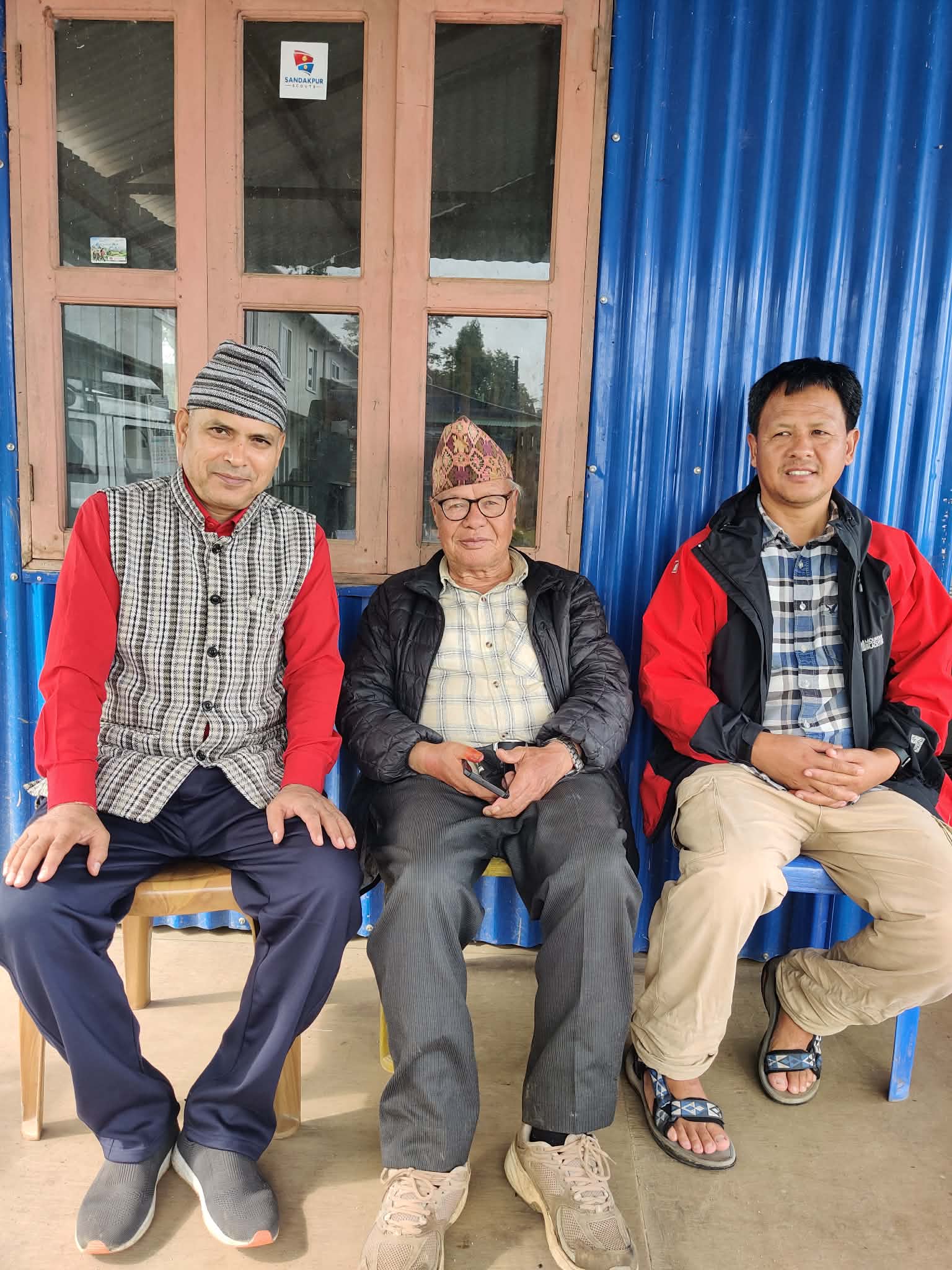
One of the people associated with Jasbire’s tea-making story is tea maker Sharad Subba. His journey began as a tea plucker, followed by years of experience working in tea factories before establishing a local processing centre and building relationships with neighbouring farmers.
His story reflects the knowledge that exists within Nepal’s tea communities: expertise developed through hands-on work, close observation of the leaf and a deep understanding of how processing shapes flavour.
5. A closer look at Jasbire green tea
Jasbire is also associated with specialty green tea production. One documented Farmer’s Green Tea lot from the area was made using a one-leaf-and-a-bud pluck. Tasting notes published for that particular 2022 lot describe herbaceous, almond, citrus and marine-like character.
These notes refer to a specific harvest and should not be taken as a fixed flavour profile for every tea from Jasbire. Tea changes with the season, cultivar, garden conditions, plucking standard and processing choices.
6. From the gardens of Nepal to the YETIKØ collection
At YETIKØ, we believe that understanding a tea means looking beyond the cup. Its origin, the people who grow it and the decisions made during processing are all part of its identity.
Our connection to Nepal’s tea-growing regions informs the way we select and present our teas. Our Golden Needle, for example, is sourced from selected high-altitude gardens in the Jasbire area, where carefully chosen unopened buds are crafted into a delicate black tea. Each tea has its own character, shaped by its own harvest and making process.
7. Why the garden story matters
When we learn about places such as Jasbire, we begin to see the many hands and decisions behind a packet of tea. Supporting a tea culture means recognising growers, makers and the communities whose work gives each harvest its character.
For us, this is the meaning of Farm to Cup: bringing the story of Nepal’s tea gardens closer to the people who enjoy the tea.
Discover more
Explore more about Nepal’s tea-growing regions and the people working within them. As we continue our From the Gardens of Nepal series, we will introduce more estates, villages and tea-making communities from across the country.
Editorial note: Regional altitude ranges and tasting descriptions in this article are based on published profiles and specific documented tea lots. Conditions and flavour can vary between gardens, seasons and batches.
Details
- Author Name
- YETIKØ
Previous
Next
Gallery
Gallery Image 1
Gallery Image 2
Gallery Image 3